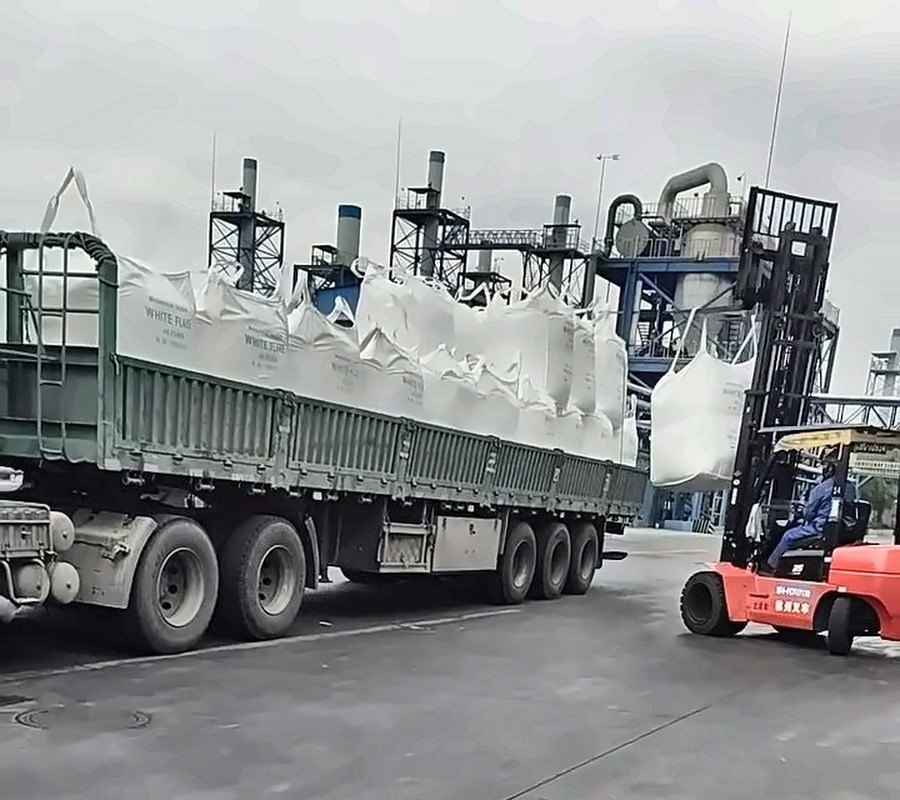
A feed ingredient shipment is only as good as the paperwork that travels with it. Five documents carry the commercial weight of every container — and each one has its own moment to be requested.
1. The core document set
Four documents move with practically every feed ingredient shipment: the packing list, the commercial invoice, the batch COA and the bill of lading. The packing list lets the consignee verify what physically arrived; the invoice anchors the customs value; the COA ties the cargo to a laboratory result; and the bill of lading is title to the goods themselves.
Missing any one of the four turns a routine arrival into a dispute. The fifth document — the certificate of origin — is what unlocks the tariff treatment your buyer expected when comparing offers in the first place.
2. Certificates of origin
CO, Form E and RCEP certificates are not interchangeable. Which one saves the importer money depends on the destination and the agreement in force: Form E covers ASEAN–China trade under ACFTA, while RCEP certificates apply across a wider member set, often at different preferential rates.
Ask which certificate the consignee can actually use before the booking is made. Issuing the wrong one means paying full duty on cargo that qualified for a preference — an expensive way to learn the difference.
3. When to request them
Confirm the supplier can issue every document before booking, not after the vessel sails. Electronic copies should reach the consignee within three to five working days of loading so customs pre-clearance can begin; originals follow with the courier or the vessel's document pouch.
Buyers who wait until arrival to chase paperwork pay demurrage while someone assembles the file. The conversation belongs before loading — when there is still time to fix whatever is missing.
4. Red flags worth acting on
Watch for three warning patterns: product names on the COA that do not match the invoice or the bill of lading; a certificate of origin whose consignee details disagree with the transport documents; and suppliers who promise documents only once the cargo has reached port.
Any one of them invites customs queries that cost days. Sort the document chain before loading, and the container effectively clears itself.