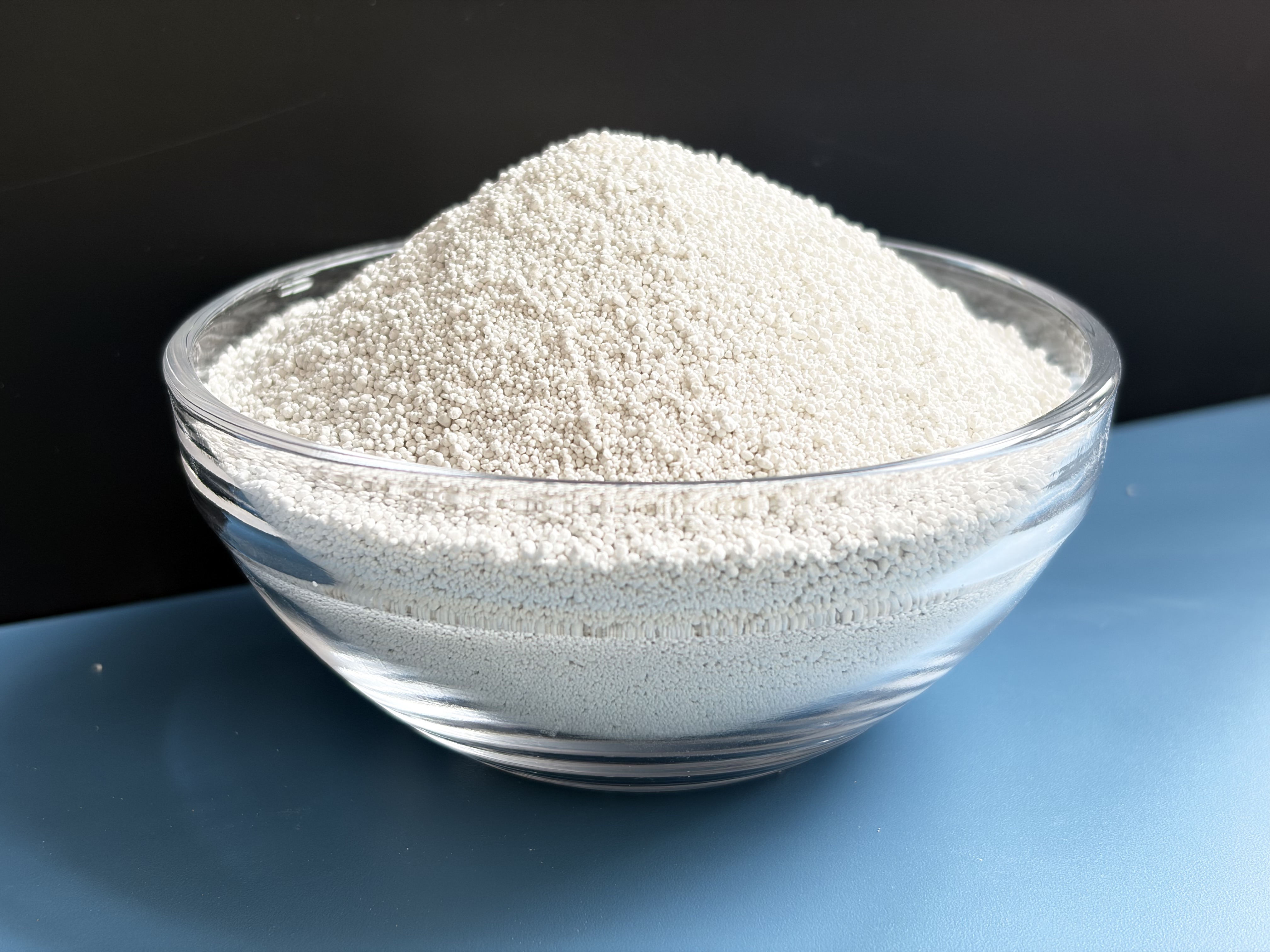
Both are feed-grade phosphates, both supply phosphorus and calcium, and they are used in the same formulas. The difference that decides between them is how much phosphorus you get per tonne, and how fast the animal can use it.
The two numbers that start the conversation
On our specifications: DCP is 17% P min, MCP is 22% P min. MCP therefore carries noticeably more phosphorus per tonne, so a smaller inclusion rate delivers the same phosphorus. Whether that is worth it depends on the price difference and on the animal.
Water solubility and absorption
MCP dissolves more readily in water, so its phosphorus is available to the animal faster. In practice, this is the reason formulators reach for MCP in diets where the animal has a short digestive time or a high phosphorus demand.
DCP is less soluble but perfectly serviceable in a standard diet, which is why it stays the general-purpose choice: you pay for the phosphorus you can use, not for solubility you do not need.
Where each one is normally used
- DCP 17% P min: standard livestock and poultry formulations where phosphorus availability is not the limiting factor, and cost per unit of phosphorus is what is being managed.
- MCP 22% P min: young-animal diets and aquafeed, where growth stage or a short gut transit time makes fast phosphorus availability worth paying for.
How to choose
- By animal and stage: young animals and shrimp or fish respond to availability; mature livestock generally do not need it.
- By cost per unit of phosphorus, not per tonne — the inclusion rate differs.
- By your registration: some markets and some import registrations are written for a specific phosphate, so confirm which one your documents cover.
- By what the mill can actually supply consistently at the volume you need.
What to confirm on the documents
Whichever you choose, check the phosphorus line on the COA, the fluorine line, and that the COA is issued by a professional third-party lab for that batch. We supply both DCP 17% P min and MCP 22% P min, and we will send both specification sheets before you decide.