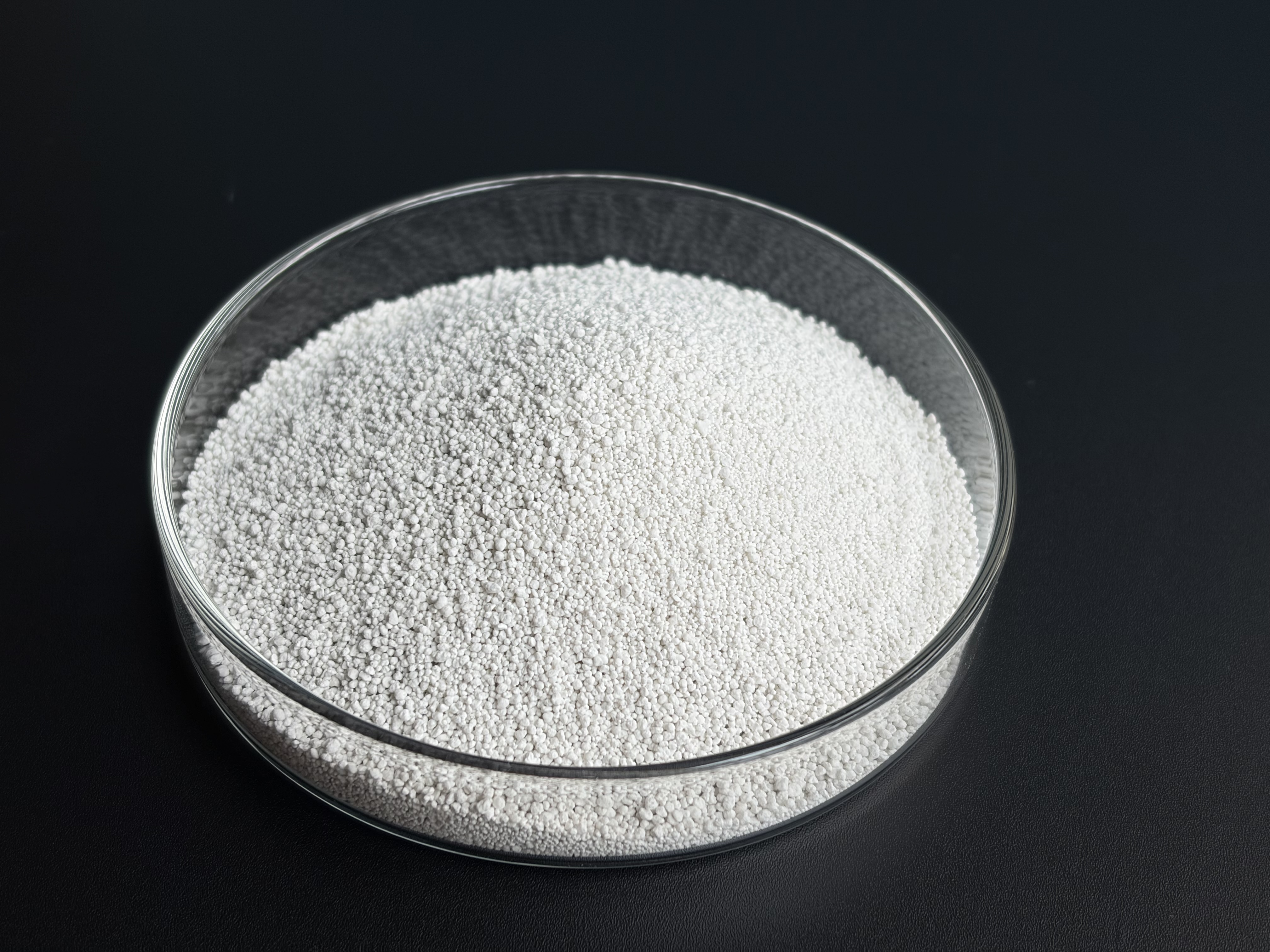
Lysine, threonine, methionine and choline chloride never make the front of the specification sheet, yet few inputs move feed conversion as quickly when they run short.
1. Which additives matter most
In swine and poultry formulas, four small-volume additives do disproportionate work: lysine, threonine, methionine and choline chloride. Synthetic lysine and threonine let formulators cut crude protein while holding growth rates steady; methionine is routinely the first-limiting amino acid in poultry diets; choline supports liver metabolism and nerve function.
They are dosed in grams per tonne, but a shortage shows up in the barn within weeks — as uneven growth, poor feathering or a feed conversion ratio drifting in the wrong direction.
2. Quality beyond the purity number
A 98.5% assay on the label is only the beginning. Moisture content, particle size and flowability determine whether the product doses accurately through micro-ingredient systems — caked or hygroscopic material bridges in the dosing line and under-delivers.
Contaminant limits matter just as much: heavy metals and residual solvents belong on the COA, and a supplier who cannot show them is selling on hope. Demand the full panel, batch by batch, exactly as you would for a macro ingredient.
3. Why small-volume buying still needs documents
The usual excuse is that the order is too small to justify paperwork. The correct answer is the opposite: small additions concentrate risk, because one adulterated or degraded lot of choline chloride touches every tonne that leaves the mill afterwards.
Per-batch COAs, a clear shelf life and written storage instructions should accompany even pallet-sized orders. If a supplier resists documentation on one pallet, imagine what the audit trail looks like across ten containers.
4. Sourcing tips that actually save money
Combine small additives with your bulk ingredients in the same container to amortise freight; confirm MOQ in writing before comparing prices; and always compare offers on the price of the active molecule, not the bag — one supplier's 98.5% lysine and another's 78% formulation are two different purchases wearing the same label.
Stored cool and dry and resealed between uses, these products hold their assay for the full shelf life. The failures we are asked to diagnose are almost always storage, not synthesis.